Many travelers book their african safari lodge in the wrong season and pay peak prices for disappointing wildlife viewing. They arrive to find thick bush, scattered herds or a camp shuttered by rain, all while spending top dollar. So when should you actually book, and for which months?
This guide breaks down how the seasons shape your safari, from the dry months that concentrate game at waterholes to the green season that slashes rates. We cover the best months for wildlife, realistic booking lead times, which lodge type fits each season and budget, and the regional timing differences across Kenya, Tanzania, Botswana, South Africa, Zambia and Zimbabwe. By the end, you will know exactly when to reserve your lodge and how to match your travel dates to the experience you want.
How Seasons Shape Your African Safari Lodge Experience
Africa’s safari seasons fall into two broad categories, and knowing the difference will shape every booking decision you make. The dry season runs from June to October in East Africa and from May to October in Southern Africa. During these months, vegetation thins out, water sources shrink and animals gather at rivers and waterholes, making game far easier to spot from a lodge vehicle or viewing deck.
The green season, generally November to March or April, transforms the bush into a lush, photogenic landscape. You will find newborn animals, dramatic skies and fewer vehicles sharing the roads. The trade-off is thicker vegetation, which can make sightings harder work for your guide.
Rain patterns vary by country
Rainfall does not follow one calendar across the continent. In Kenya and Tanzania, peak game viewing typically runs from June to October. In Botswana, the annual floodwaters reach the Okavango Delta and peak between June and August, meaning the delta’s best water-based viewing often arrives months after the rains have stopped. Always check the specific rhythm of the country and park you plan to visit before locking in dates.
Best Months to Book an African Safari Lodge for Wildlife
If wildlife viewing is your top priority, timing matters more than any other booking decision you will make. The single most sought-after window is July to September, when the Great Migration reaches the river crossings in the Serengeti-Masai Mara ecosystem. Herds mass along the Mara and Grumeti rivers, and predator encounters are frequent, which is why lodges along this corridor fill up fastest and why early planning pays off here more than anywhere else.
For a very different experience, January to February suits travelers targeting calving season in the southern Serengeti. Hundreds of thousands of wildebeest drop their young on the short-grass plains, and the concentration of vulnerable calves draws lions, cheetahs and hyenas into near-constant action. Photographers love this window too: open plains, soft light and animals on the move make for some of the year’s most rewarding sightings.
Southern Africa runs on its own rhythm, and understanding it helps you build a smarter itinerary. The dry months concentrate animals dramatically, while the surrounding green months trade some visibility for lower rates and quieter camps. Here is how the two regions line up:
- June to August in Southern Africa: Botswana, South Africa and Zambia deliver their densest game viewing as water sources shrink, pushing elephants, buffalo and predators toward permanent rivers and pumped waterholes.
- Combine regions wisely: these same months let you pair a Serengeti or Mara crossing trip with prime conditions in Botswana’s delta or South Africa’s reserves in one itinerary.
- Shoulder-month sightings: while this section focuses on peak wildlife windows, remember that the months just outside them still offer solid viewing, which matters when peak lodges are fully booked.
Green Season Value: Lower Rates and Trade-Offs
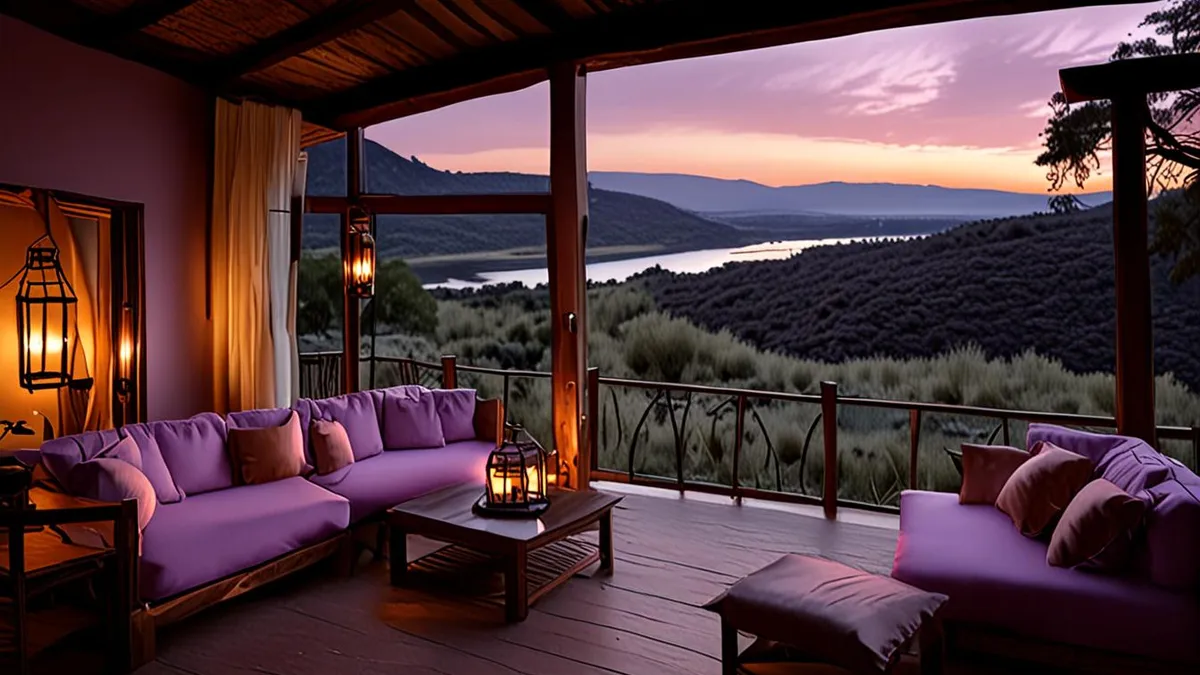
The green season is when safari lodges become genuinely affordable. Rates often drop 30-50% below peak prices, with lodges that charge $600-$1,500 per person per night in high season frequently falling to $300-$700. For the same budget, you can often stay longer, upgrade your room category or add a second destination to your itinerary.
What you trade for the savings
Expect afternoon thunderstorms that briefly pause game drives, and in wetter regions some roads may close or become slow going. A handful of camps also shut down entirely in April and May, when rains are heaviest, so always confirm your chosen lodge is open before booking. Wildlife sightings can take more patience too, since thicker bush gives animals more places to disappear.
Why photographers love the green season
For birdwatchers and photographers, this is the best time of year. Migrant species arrive in huge numbers, landscapes glow emerald after rain, and the moody light of storm clouds clearing makes for dramatic images. Many returning safari travelers deliberately choose the green season for exactly these reasons, accepting a few wet afternoons in exchange for half-price luxury.
Booking Lead Times: When to Reserve Your Lodge
Peak-season safari lodges sell out far earlier than most travelers expect. For the busiest months, aim to reserve your room 9-12 months ahead. This matters most for small, intimate camps with under 12 rooms in the Masai Mara or the Okavango Delta, where a single booking can take a meaningful share of total capacity. Popular lodges in these areas often open their calendars a year or more in advance, and the most sought-after units—corner suites, tents with the best views, family configurations—tend to disappear first, sometimes within weeks of releasing availability.
Green season stays are far more forgiving. You can usually book 3-6 months in advance and still have a good choice of rooms, plus more flexibility on rates. Lodges in the rainy months often have open space right up to a few weeks before arrival, so you can negotiate or adjust dates without much risk. Some properties even throw in added value, such as complimentary activities or extended stays, to fill empty rooms.
Shoulder months like May and November offer a middle path. Booking 6-9 months out typically secures lower rates while still giving you solid wildlife viewing. These windows reward travelers who plan a little ahead but missed the peak-season booking race.
- Small camps fill first: a camp with under 12 rooms may have only a handful of units suitable for families, so families should book earliest of all.
- Ask about minimum stays: some peak-season lodges require three or four nights during high demand, which affects how you sequence multiple camps on one trip.
- Watch for single-supplement rules: solo travelers often face surcharges in high season that are waived or reduced in quieter months.
- Confirm camp openings: a few seasonal camps only operate part of the year, so verify dates before locking in flights.
Matching Lodge Type to Season and Budget
Not every lodge suits every season, and matching the two is where safari budgets are won or lost. Permanent luxury lodges are the natural fit for dry-season travelers who want pools, spas and air-conditioned comfort after long morning game drives. These properties command their highest rates during peak months, when demand is strongest and the best rooms go first, so expect less room to negotiate if you are traveling then.
Mobile camps for migration chasers
If the Great Migration is your goal, a mobile migration camp is often the smarter choice. These camps pack up and move with the herds, repositioning themselves near the action as animals cross the Serengeti-Masai Mara ecosystem. Their location advantage pays off most during the July-September river crossings, when being close to the right crossing points can save hours of driving and put you first in line at the riverbanks.
Flexibility pays in quieter months
Shoulder and green seasons reward travelers who can shift dates. Upscale lodges that rarely budge on price in July often offer upgrades, waived extras or discounted multi-night rates when occupancy drops. If you are happy trading some sightings for serious savings, ask directly about long-stay deals before you book. It also helps to ask which activities still run in your month, since some camps scale back boat trips or walking safaris in the wettest weeks.
Regional Timing Differences Across Africa
Africa is not one safari calendar, and timing rules shift noticeably as you move between countries. In Kenya and Tanzania, the long rains arrive around April and May, turning some park roads muddy and difficult. Avoid booking remote camps during those months, as access can be unreliable and game drives may be cut short by afternoon storms. If your heart is set on the Masai Mara or the Serengeti, the dry months deliver the classic experience, with the Great Migration river crossings typically happening around July to September.
South Africa’s Kruger area is the most forgiving destination on the continent. It works year-round thanks to good infrastructure and paved access. For game viewing, the dry stretch from May to September is best, when animals gather at water sources. November to March brings the best birding as migrant species arrive in breeding plumage.
Zambia and Zimbabwe follow a stricter rhythm. Many remote camps simply close from November to March because of heavy rain, and some reopen only once roads are repaired. Always check a camp’s operating dates before you commit to a booking.
- Ask about access routes: in the rainy months, some Zambian and Zimbabwean camps are reachable only by light aircraft, which adds cost and weather-related delays.
- Consider park size in Kruger: private reserves adjoining Kruger offer guided drives and restricted access, which changes how you experience each season.
- Check border and park logistics: combined Zambia-Zimbabwe itineraries involve border crossings and visa arrangements, so confirm current requirements early.
- Match camp style to month: water-based activities in some regions run only when water levels allow, so confirm which activities operate in your travel month.
Planning Your Safari Lodge Stay With Confidence
The answer to the booking question comes down to matching your priorities with the calendar. Dry season months of June to October deliver the best wildlife viewing, while green season trades some sightings for savings that often reach 30-50% below peak rates. If you want both a compromise and value, the shoulder months of May and November deserve a serious look.
Once you have picked your month, timing matters as much as location. Book peak-season lodges 9-12 months ahead, reserve green season stays 3-6 months out, and match your lodge type and region to your travel month. Do that, and your safari budget works harder in every season. If this helped you plan your trip, leave a comment or share the article with a fellow traveler.