You want a night under the open sky, but a question keeps getting in the way: do you rough it in a tent you pitch yourself, or pay extra for a furnished canvas suite with a real bed? The glamping vs camping debate comes down to more than price. It touches how you prepare, how you sleep and how much of the outdoors you actually want to handle yourself.
This guide walks through both options side by side. We break down what each one really involves, compare nightly costs and hidden extras, and look at comfort when the weather turns. You will also see what a typical day looks like at each type of stay, when to book for the best availability, and how to match the right stay to your travel style. By the end, you should know exactly which option fits your next trip.
Glamping vs Camping: What Each One Actually Is
Camping is the traditional version: you bring everything yourself. That means your shelter, a sleeping system such as a tent, sleeping pad and bag, plus cooking gear, a cooler and a headlamp. You arrive at a campsite with a pitch, set up, and pack it all down again when you leave. The reward is independence and a very low nightly cost.
Glamping flips that model. Instead of bringing a shelter, you book one that already exists — a safari tent, geodesic dome, cabin or yurt — and it comes with a real bed already made up. Many glamping structures have power, so lights, a heater or a fan work the moment you step in.
What is usually included
Most glamping sites provide linens, towels and lighting as standard. A bathroom is nearly always part of the deal, either en-suite inside your unit or a short walk away in a shared, well-kept facility. Some sites add kitchens, decks or wood stoves, but the core package is simple: arrive with your clothes and toiletries and everything else is waiting.
The two options overlap in setting — both put you in forests, by lakes or under open skies. Where they differ completely is preparation and nightly price. Camping rewards planning and gear ownership; glamping rewards travelers who want the scenery without the packing list.
Cost Breakdown: Nightly Rates and Hidden Extras
The price gap between the two is the first thing most travelers notice. A basic campground tent pitch typically runs $20–$60 per night in the US, while a mid-range glamping tent typically costs $150–$400 per night. That difference can feel steep until you remember what each rate includes: a pitch is just a patch of ground, while a glamping tent comes furnished and ready. Luxury glamping suites can exceed $500 per night in peak season, especially in scenic or high-demand areas.
But the nightly rate only tells part of the story. Camping carries upfront costs that glamping avoids entirely, and glamping can carry its own extras that a campground never charges for. Look at the full picture before you compare:
- Gear investment: a starter camping kit — tent, sleeping bag, pad, stove and cooler — costs roughly $300–$600 per person, paid once and spread over many trips.
- Transport and packing: camping gear fills a car and adds fuel weight; glamping requires little to no personal gear beyond clothing and toiletries, so you can arrive by train or a small rental car.
- Glamping add-ons: some sites charge separately for firewood, breakfast delivery, hot tub use or cleaning fees, so read the rate details before booking.
- Consumables: campers budget for propane, ice and firewood each trip, costs that rarely apply to a furnished suite.
These hidden costs matter more than most people expect. A family buying gear for the first time may spend more before the trip starts than a glamping guest pays for the whole weekend. On the flip side, a glamping stay that looks affordable online can climb once firewood, meals and fees are added. Always price out the total, not just the headline rate.
In short, camping shifts spending to gear you reuse, while glamping concentrates it all in the nightly rate. For a single trip, glamping often costs more; over years of regular trips, camping gear pays for itself. If you camp once a year or less, the math rarely favors buying a full kit, and renting equipment or borrowing from friends can be a sensible middle path before committing either way.
Comfort Comparison: Beds, Bathrooms and Weather
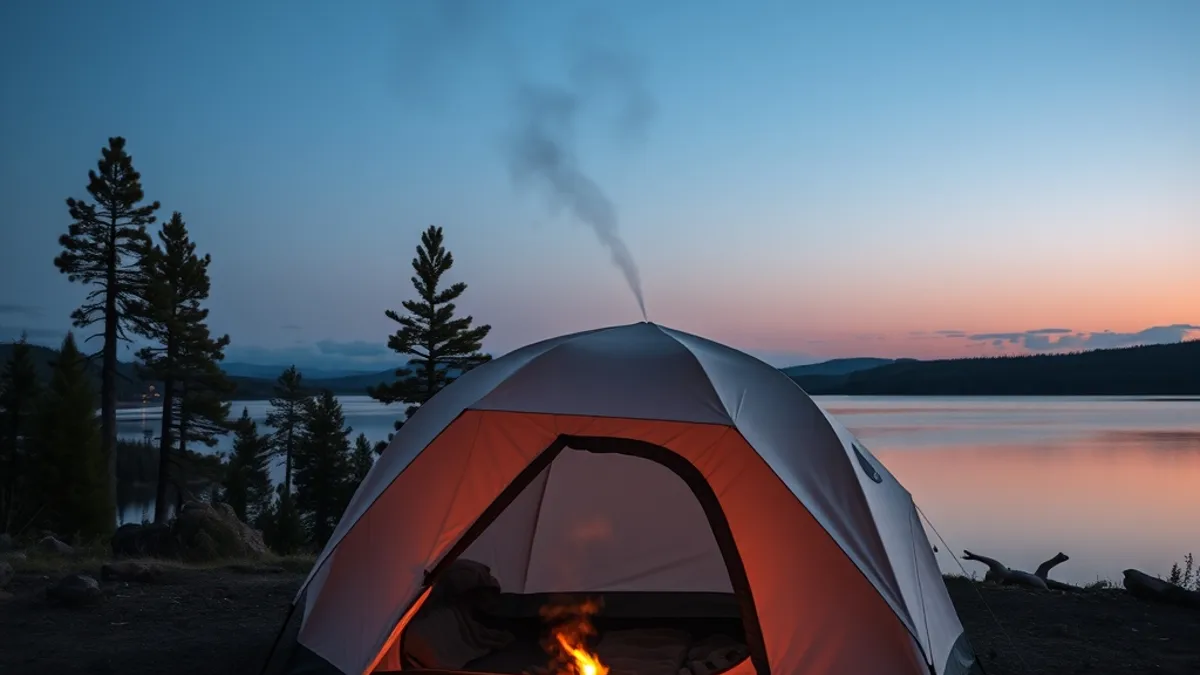
Comfort is where the two options genuinely separate. In a glamping tent or cabin, you sleep on a real mattress with proper linens, and most units offer heating or cooling of some kind — a wood stove, an electric heater or a fan. A bathroom is either en-suite or a short, lit walk away, so a 3 a.m. trip never involves shoes, a flashlight and a muddy path.
Camping comfort depends almost entirely on what you bring. A thin sleeping pad on hard ground can ruin a night, while a good one makes a tent surprisingly pleasant. Your sleeping bag’s temperature rating matters just as much, and shared campground facilities vary widely — some are clean and modern, others are basic pit toilets.
How weather changes the picture
Weather tolerance is the biggest practical difference. A canvas suite with a wood stove handles rain and cold nights far better than a basic tent, where a storm means wet gear, condensation and a long night listening to the fly. If your dates might bring bad weather, that alone can justify the higher rate.
The trade-off is atmosphere. Glamping walls are thinner, neighbors are often closer, and you lose some of the feeling of being alone in the landscape. Campers get more wilderness for their money; glampers get reliable, warm sleep. Decide which one you would rather wake up with.
What to Expect Day to Day at Each Type of Stay
The biggest difference between the two shows up in your daily routine. If you’re camping, everything runs on your own effort: you pitch the tent, figure out the stove or build a fire, cook, do the washing up in a basin or at a shared sink, and take it all down again on the last morning. None of it is hard, but it adds up to a couple of hours of work each day.
Glamping flips that around. You arrive to a tent or cabin that’s already standing, with beds made and lights working. Many sites offer optional extras you can add when you book — breakfast delivered to your deck, a stack of firewood dropped by your fire pit, or a pre-lit stove so the tent is warm when you walk in. You still make your own coffee and tidy up after yourself, but the heavy lifting is gone.
Both stay types have their own rhythms to learn. Campsites in particular run on a few shared rules that keep everyone comfortable:
- Quiet hours are enforced at most campgrounds, often starting in the evening and running until early morning — generators usually have to be switched off too.
- Shared water points and dish stations mean you’ll carry pots and jugs a short walk from your pitch, and it’s polite to leave them clean for the next camper.
- Fire regulations change by location and season — some sites only allow fires in provided rings, and during dry spells open fires may be banned entirely, so check the current rules before you pack firewood.
Glamping resorts tend to add a resort-style layer on top of the nature setting. Expect private decks with chairs, hot tubs or wood-fired saunas at some properties, and sometimes an on-site restaurant or coffee bar so you never have to cook at all. You trade a bit of independence for convenience — and honestly, after a long hike, having dinner handled for you can feel like the whole point of the trip.
When to Book and When to Go
Timing matters more for glamping than most travelers expect. The high season in most temperate regions runs roughly May to October, and that’s exactly when the best sites are smallest: a glamping property might have six or eight units total, so a single busy weekend can sell the whole place out.
The practical rule is simple: for summer weekends, book glamping 2–3 months ahead. Popular properties near national parks, lakes or coastlines often fill their peak-season dates well before that, so if you have your heart set on a specific dome or safari tent, booking earlier only helps. Midweek nights are easier to land and often cost less.
Campgrounds are more forgiving
Traditional campgrounds give you more flexibility. Many take walk-ins or last-minute reservations, and first-come, first-served sites reward early arrival. That said, holiday weekends — Memorial Day, Labor Day, long summer weekends — fill up fast even at large campgrounds, so don’t assume you can roll in at 6 pm on a Saturday in July and get a pitch. If your dates are fixed around a holiday, reserve as early as the booking window allows.
The shoulder-season sweet spot
If your schedule allows it, aim for May, June or September. These shoulder-season months cut both prices and crowds at glamping sites and campgrounds alike, and the weather in most temperate regions is still good enough for comfortable nights outdoors. You’ll often get the same tent, the same view and the same fire pit with a fraction of the neighbors — and in shoulder season, some glamping operators throw in extras like late checkout or included firewood just to keep occupancy up. Check current availability and rates with the site directly, since they shift year to year.
How to Choose the Right Outdoor Stay for You
The right choice comes down less to the scenery and more to how often you’ll go and how much setup you enjoy. If you already own a tent and head outdoors several times a year, camping is the clear money-saver: after the one-time gear investment, your nightly costs stay low, and every trip gets easier as your routine improves. Self-sufficiency is part of the appeal — knowing you can cook a decent meal on a single stove and sleep warm in your own setup is a skill that pays off everywhere.
If you’re planning a one-off nature escape and don’t want to buy gear or sleep on the ground, glamping delivers exactly that. You show up with a duffel bag, sleep in a real bed and leave without washing a single pot. Couples and first-timers usually get more value from glamping, because the premium over a basic campsite buys a genuinely restful night — and a bad first camping trip can put someone off the outdoors for years. Frequent outdoors travelers, on the other hand, save money camping long-term, since the gear pays for itself within a handful of trips.
A few more angles to weigh before you book:
- Bathroom tolerance: if shared pit toilets or a walk to a shower block would bother you, glamping with an en-suite bathroom is worth the extra cost; some campgrounds do offer sites near modern washhouses, so check the facility map when you reserve.
- Group makeup: families with small children often find glamping easier for naps and bedtime routines, while groups of friends tend to enjoy the communal campfire-and-cooking setup of adjacent tent pitches.
- Trip length: a two-night glamping stay feels like a treat; a two-week glamping stay can cost more than a hotel holiday, whereas two weeks of camping stays cheap.
- Setting match: treehouse suites and enclosed dome suites suit rainforest and jungle trips where rain and insects are part of the deal, while open lakeside pitches suit traditional camping, where waking to the water and a morning fire is the whole experience.
If a nature-focused, comfort-first stay is what you’re after, browsing options like luxury nature retreats surrounded by jungle beauty can give you a good sense of what the top end of glamping looks like before you commit to a booking.
The Bottom Line on Glamping vs Camping
If you want a night under the open sky without the fuss, glamping is the easier answer: you pay a higher nightly rate and arrive to a ready-made bed, heating and a bathroom nearby. Camping asks more of you — gear to buy, a tent to pitch, meals to cook — but rewards you with the cheapest nights outdoors and a real sense of self-sufficiency.
So the choice comes down to three things: your budget, how often you head outdoors, and how much roughing it you actually enjoy. Camp often and love the routine? Camping pays for itself over time. Planning a one-off escape where you’d rather spend the evening by the fire than fumbling with tent poles? Glamping wins. Whichever way you lean, we’d love to hear what you’d pick — leave a comment or share this article.