Glamping in the Scottish Highlands is a brilliant idea, but the timing can make or break the whole trip. A dome or safari tent that feels magical on a calm June evening can feel very different during a wet, windy week in the wrong season. Many travelers book first and check the weather later, then wonder why their Highland escape turned into a battle with the elements.
This guide breaks down what each season actually offers, from the long spring days of April to June and the busy, bright weeks of July and August, to the golden colors of September and October and the limited winter options from November to March. You will find practical notes on weather, crowds, prices and midges, plus advice on choosing your season and booking smart. By the end, you should know exactly when the Highlands suit the kind of trip you have in mind.
Why Timing Matters for Glamping in the Scottish Highlands
The Highlands do not have a simple holiday season the way many destinations do. Weather shifts dramatically between spring, summer, autumn and winter, and that shift affects everything from how comfortable your tent feels at night to whether trails and loch activities are realistic at all. A site that is easy to reach and pleasant in June can feel exposed and damp in November.
Daylight is the biggest factor most first-time visitors underestimate. Around the June solstice, you get roughly 18 hours of light, which means you can hike, paddle or simply sit outside until late in the evening. By December, that drops to under 7 hours, so a winter stay is really about cozy evenings indoors rather than long days outdoors.
Availability and prices move with the seasons
Site availability, pricing and crowd levels all swing sharply between peak and shoulder months. July and August bring the highest demand and the fullest calendars, while late spring and early autumn often offer the same landscapes with more space and lower rates. Knowing these patterns before you book is the difference between a well-timed trip and an expensive compromise, and the sections below walk through each season in detail.
Spring Glamping: April to June
Spring is when the Highlands start to wake up. By May and June, daylight stretches long into the evening and the landscapes are at their freshest, with blooming wildflowers, bright green glens and snow still visible on the higher peaks. That combination makes these months ideal for hiking and photography, since you can walk most of the day and still have golden light for evening shots.
There is a practical bonus too. Spring sits outside the peak summer window, so sites are noticeably quieter and rates are often 20-40% below peak prices. You get the same dramatic scenery with more choice of accommodation and fewer crowds on popular trails. For many travelers, May and early June offer the best balance of the whole year.
What to pack for a spring stay
Spring weather is milder but not warm, especially after dark. Nights can still fall below 10°C in April, so pack warm layers, a good sleeping setup and something windproof for exposed sites. Check what heating your chosen dome, pod or tent includes before you book, and ask the operator how well the structure holds up in spring showers. With the right kit, a spring glamping trip delivers the Highlands at their most photogenic without the summer crowds or the summer price tag.
Summer Glamping: July and August
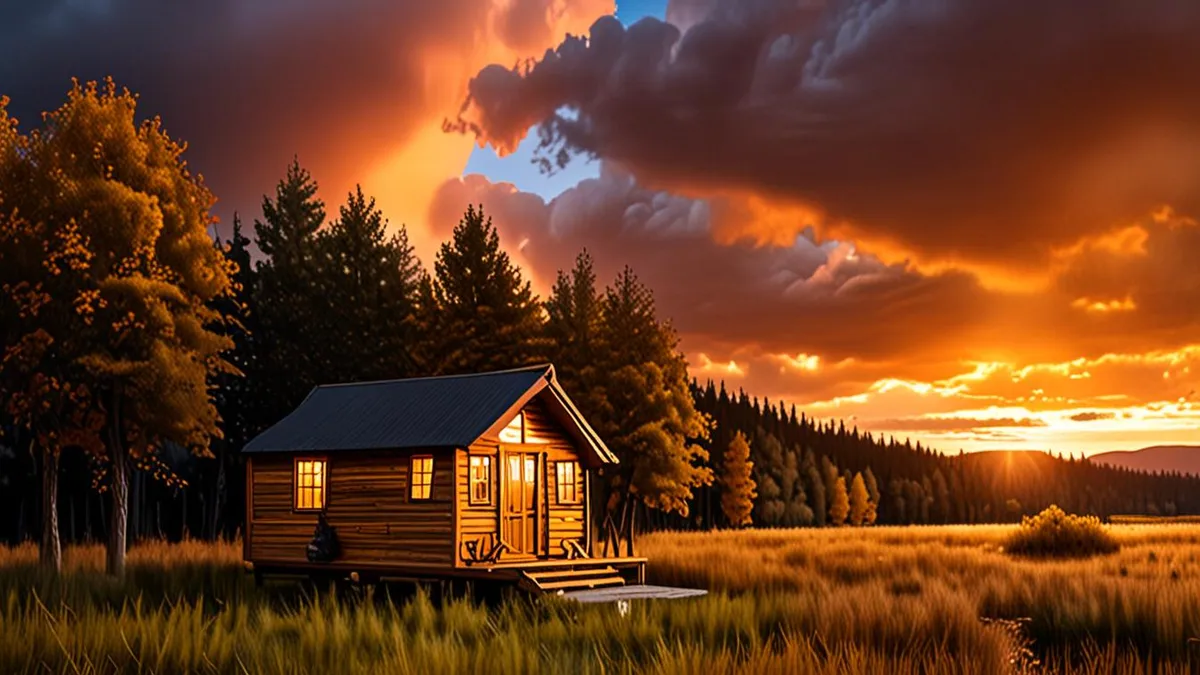
July and August are the warmest months in the Highlands, with temperatures typically ranging from 15-19°C, and daylight can stretch to around 18 hours. That combination makes summer the best window for long excursion days: you can fit in a full hike, a loch swim and still have light left for dinner outside. If your priority is maximum time outdoors, this is the season built for it.
The trade-off is demand. Summer is the busiest and most expensive period of the year, and popular sites fill up fast. For August weekends in particular, book 6-12 months ahead or expect slim pickings. If your dates are flexible, midweek stays in July often feel far calmer than weekend slots.
Dealing with midges
Midge season is the other summer reality. These tiny biting insects are most active from late May to early September and are at their worst in humid, still weather. The simplest defense is site selection: breezy lochside or coastal locations keep the air moving, and a coastal setting adds its own appeal. For inspiration on that front, this guide to coastal retreats built for dream vacations shows what a well-chosen seaside stay can look like. Pack a head net and repellent as backup, and you can enjoy the Highlands at their warmest and brightest.
Autumn Glamping: September to October
September might be the best-kept secret of the Highland glamping calendar. The landscapes turn gold and russet as the bracken and birch change color, while the light gets softer and more dramatic. If you’re carrying a camera, this is the month to book: misty mornings over the lochs, moody skies rolling over the glens and warm evening tones make even phone photos look good.
Wildlife and photo opportunities
Autumn is also the red deer rutting season, when stags roar and clash across the hillsides. You can often hear them from your tent or pod at dawn and dusk, and guided wildlife watching is widely available. Keep a respectful distance and bring binoculars rather than trying to approach.
Another practical win: midges fade quickly after early September, so evenings outside become far more pleasant than in late summer. Rates also start sliding toward shoulder-season levels, often well below what you’d pay in July or August.
The trade-off is daylight and weather. Days shorten noticeably through the season, and wetter spells become more frequent. Plan shorter daytime outings with a flexible indoor backup, aim to be back at your accommodation before dark, and pack good waterproofs along with warm layers for the evenings.
Winter Glamping: November to March
Winter glamping in the Highlands is a niche experience, and that’s part of its appeal. Only a limited number of insulated pods and cabins operate through the colder months, roughly November to March, so you’ll have fewer options to choose from but far quieter surroundings once you arrive.
What winter glamping actually feels like
Snow-dusted hills, frost on the grass and long evenings by the wood stove make this season ideal for couples seeking peace and cozy interiors. There are few crowds, stargazing can be excellent on clear nights, and the contrast between the cold outdoors and a warm pod is hard to beat. Just be realistic: nights regularly drop below freezing, so you’ll want proper insulation, a reliable heat source and genuinely warm bedding.
Questions to ask before booking
Not every winter-ready site is equally prepared. Before you commit, check the following:
- Heating: is it continuous overnight or does it need relighting?
- Hot water: is it available year-round or reduced in winter?
- Road access: are the final miles suitable for your vehicle in snow and ice?
Also confirm whether facilities like showers and kitchens are open, and ask about a flexible cancellation policy, since Highland weather can disrupt travel plans in winter more than at any other time of year.
How to Choose Your Season and Book Smart
There’s no single best time to go glamping in the Scottish Highlands; the right season depends on what you want from the trip. Long hiking days point one way, autumn color and lower prices point another, and a quiet winter escape points somewhere else entirely. The main season runs roughly from April to October, with a small number of insulated pods and cabins staying open through the colder months. Once you know your priority, a few simple booking habits will save you money and stress:
- Match the season to your goal. If hiking and long daylight hours are the priority, June is hard to beat. If you’re after color, wildlife and better value, September usually delivers all three.
- Book far enough ahead. For summer trips, aim to reserve 3-6 months in advance. Peak August weekends are the busiest dates of the year, so the earlier you reserve, the better your pick of sites and pitches.
- Compare accommodation types carefully. Domes, pods, cabins and safari tents vary a lot in insulation and heating. If you’re traveling in spring, autumn or winter, check what heating each option offers before committing.
- Think about midges. They’re most active from late May to early September, especially in humid, still weather. A breezy lochside or coastal pitch can make a real difference in summer.
A little flexibility helps too. Shifting your dates by even a week can move you from peak pricing into shoulder-season rates, and midweek stays are typically easier to book than weekends. If your budget matters more than exact dates, May, June and September often combine milder weather with noticeably lower rates. Check current availability and conditions directly with operators, since offerings change from year to year.
Planning Your Highland Glamping Trip
So, when are the Highlands actually enjoyable under canvas? The short answer is that the main glamping season runs from April to October, with each stretch of it offering something different. This guide recapped those seasonal windows, plus the limited winter options for travelers who don’t mind a small number of insulated pods and cabins between November and March.
Along the way, we compared spring, summer, autumn and winter on the things that matter most: weather, crowds, prices and midges. You now know that June suits hikers chasing long days, September rewards photographers with color and value, and peak August dates need booking 6-12 months ahead. With that timing and those booking windows in hand, you can pick the Highland season that fits your trip. If this helped you plan, leave a comment or share the article with a fellow traveler.